Key Points
- Girls with ADHD often show quiet, inattentive signs like daydreaming and disorganisation rather than obvious hyperactivity.
- Assessment tools historically built around hyperactive boys mean many girls with ADHD are overlooked or misdiagnosed.
- Tracking behaviour, talking openly with your daughter, and involving her teachers are practical first steps if you notice these signs.
- An ADHD assessment for children through Sureway Health & Wellbeing, available in Melbourne provides clarity and a path to ongoing support.
Summary:
ADHD often presents differently in girls than in boys, showing up as daydreaming, disorganisation, perfectionism, and subtle restlessness rather than obvious hyperactivity. Because these signs are quiet and easy to explain away, many girls go undiagnosed or are misdiagnosed with conditions like anxiety. A proper psychological ADHD assessment, such as those offered by Sureway Health & Wellbeing, helps families get clarity and access the right support for their daughter.
Outline:
When we think about ADHD, we often picture a bouncing energetic child who can't sit still. But ADHD looks very different in girls, and this is one of the main reasons it gets missed. Many girls don't show the loud, physical signs people expect. Instead, their signs are quiet, easy to hide, and easy to explain away as personality traits.
This article will walk you through the everyday signs of ADHD in girls that parents and teachers often overlook. We'll explain why girls are so often misdiagnosed or missed altogether, and what steps you can take if you notice these signs in your daughter.
We'll also share how Sureway Health & Wellbeing supports families through a thorough ADHD assessment for children, so you can get real answers and the right support.
What are the Subtle Everyday Signs of ADHD in Girls
Every child is different. But there are some common patterns that may point to ADHD in girls and are worth watching for.
Daydreaming or trouble focusing
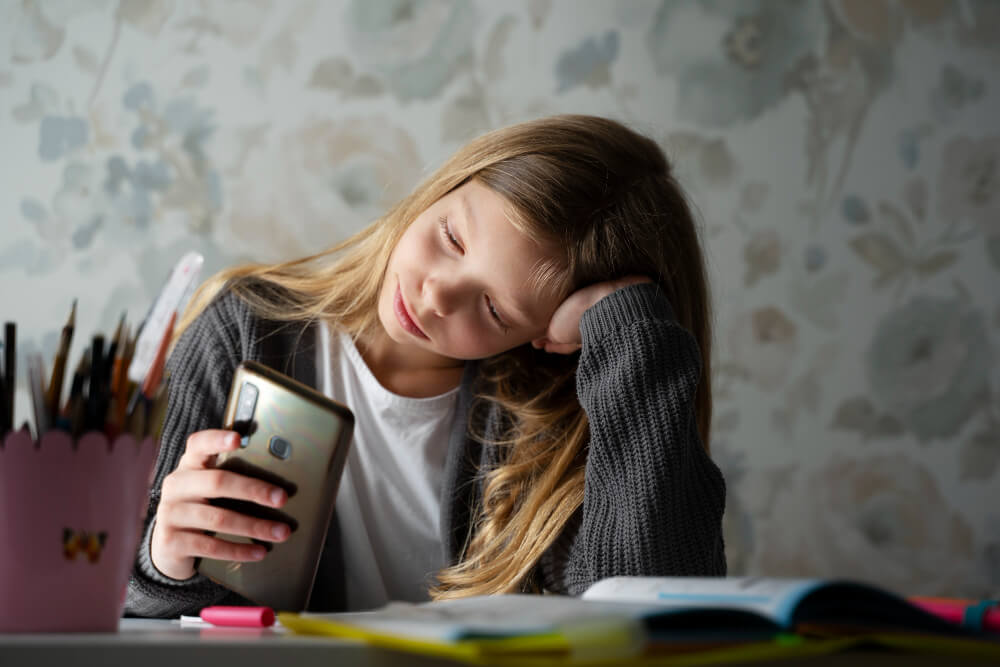
A girl with ADHD might seem to drift off during lessons or conversations. She may look like she's not listening, even when she's trying hard to pay attention. Because this behaviour is quiet, it's often mistaken for shyness or a lack of interest. This is one of the biggest reasons girls go undiagnosed for so long.
Forgetfulness and disorganisation
Losing belongings, forgetting homework, or struggling to keep school materials tidy can all be signs. A girl with ADHD might start a task full of enthusiasm, then find it hard to see it through to the end. This can leave her feeling frustrated with herself.
Impulsivity
Some girls act before they think. This might show up as interrupting others, blurting out answers, or making quick decisions without weighing things up first. As she gets older, this impulsivity can turn into risk-taking or choices that affect her friendships and confidence.
Perfectionism and masking behaviours
To hide their struggles, some girls develop habits that look like perfectionism. She might check her bag several times a day to make sure nothing is missing, or take detailed notes out of fear she'll miss something important. While this can look like she's simply being diligent, it often comes from anxiety and a fear of getting things wrong. Keeping up this effort day after day can be exhausting and adds to her stress levels.
Hyperactivity in subtle forms
Hyperactivity is a well-known sign of ADHD, but in girls it rarely looks like non-stop physical movement. It's more likely to show up as restlessness, doodling, or constant fidgeting. She might always want to answer questions in class, or be described as chatty and talkative. She may also feel like her mind is constantly busy, even when her body is still.
Social challenges
Friendships can be hard for many children with ADHD, and this can be especially tough for girls. She may find it difficult to read the emotional ups and downs of friendships, particularly during the teenage years. Girls with ADHD can misread social cues, feel left out, or pull away from friends altogether. Over time, this can chip away at her confidence and her sense of belonging.
Why Girls With ADHD Are Often Misdiagnosed or Overlooked
ADHD is significantly underdiagnosed in girls, and there are a few key reasons for this.
Boys with ADHD tend to show the hyperactive type, with physical, disruptive behaviour that's hard to miss. Girls are far more likely to show the inattentive type. Their symptoms tend to be internal rather than outward, so they present as quietly distracted, extra chatty, or slow to finish tasks.
Here are the main reasons this leads to girls being missed or misdiagnosed:
- Internalised symptoms
Girls are more likely to experience racing thoughts, low self-esteem, and big emotional reactions. These signs are commonly mistaken for anxiety or depression rather than ADHD.
- Social masking
To keep up appearances, girls often put enormous energy into staying organised. Behind closed doors, this can lead to burnout, perfectionism, and constant stress.
- Assessment tools built around boys
Many clinical tools for spotting ADHD were designed around hyperactive boys. As a result, they can miss the quieter, more internal signs that are common in girls.
Understanding these differences is an important first step. It's also why a psychological ADHD assessment that takes gender differences into account matters so much.
What to Do if You Recognise These Signs in Your Daughter
Noticing these signs in your daughter can bring up a mix of emotions, from relief at finally understanding her behaviour to worry about what comes next. The good news is there are clear, practical steps you can take, and you don't need to have all the answers right away.
Here are some simple steps to guide you.
Observe and document
Keep a note of specific moments. Write down when she loses things, struggles to finish a task, or seems more stressed than usual. This information will be genuinely helpful for any professional involved in her care.
Consult a professional
Book in for a proper ADHD assessment for kids with a developmental paediatrician, psychologist, or another qualified professional. A formal evaluation is the clearest way to understand what's really going on.
Talk with her openly
Have a gentle conversation about how she's feeling. Ask if schoolwork feels hard to keep up with, or if she often feels anxious or stressed. Reassure her that her brain simply works a little differently, and remind her of her strengths and creativity.
Communicate with her teachers
Let her teachers know you're seeking an evaluation. Work together to see if small changes could help, like a quieter place to work or written instructions for multi-step tasks.
Build a supportive environment at home
Visual schedules, breaking big tasks into smaller steps, and steady daily routines can all help reduce stress and make everyday life feel more manageable for her.
How Sureway Health & Wellbeing Can Help You Get an ADHD Assessment
At Sureway Health & Wellbeing, we offer thorough ADHD assessments for both children and adults, so families can better understand how ADHD might be affecting daily life. We'll guide you through common signs and symptoms, the benefits of a diagnosis, what to expect from the assessment process, and the support available afterwards.
We also offer in-person ADHD assessments in Melbourne. For adults, we also provide online assessments via telehealth across Australia.
Our assessments use evidence-based tools and structured conversations to look closely at symptoms, behaviour, and daily functioning. Every assessment is tailored to the individual, with their needs and goals front of mind.
Once a diagnosis is confirmed, we offer therapy and other forms of support, like targeted strategies to improve daily function, to help your child manage her symptoms and build lasting confidence.
If you recognise any of these signs in your daughter, you don't have to figure it out on your own. Reach out to Sureway Health & Wellbeing today to book an ADHD assessment for your child and take the first step towards real answers and the right support.
Sureway Health and Wellbeing psychology team provide services across the following locations: Bundoora, Mill Park, Thomastown, Reservoir, Greensborough, Watsonia, Eltham, Diamond Valley, North Eastern Melbourne and via telehealth Australia wide.
FAQs About ADHD in Girls and Women