Key Points
- Stress is typically a temporary response to external triggers, while anxiety is often an internal reaction that can persist without immediate threats.
- Anxiety can stem from genetic, environmental, psychological, and lifestyle factors, often working together in complex ways.
- Physical symptoms like rapid heartbeat and muscle tension, combined with emotional symptoms such as persistent worry and difficulty concentrating, are key indicators that professional help may be needed.
- Professional counselling should be considered when symptoms persist for weeks, interfere with daily activities, or when you find yourself avoiding situations due to anxiety.
Summary:
Stress and anxiety are common experiences that can significantly impact daily life, relationships, and overall wellbeing, but professional counselling provides effective tools and strategies for managing these challenges. Understanding the differences between stress and anxiety, recognising key symptoms, and knowing when to seek help are crucial steps in addressing mental health concerns before they become overwhelming. Sureway Health & Wellbeing offers personalised, evidence-based psychology and counselling services across Melbourne's northern and northeastern suburbs, or via telehealth nationally, to help individuals develop effective coping strategies and improve their mental health.
Outline:
Stress and anxiety have become increasingly common experiences in our fast-paced world, affecting thousands of individuals in Melbourne every day. Whether it's the pressure of work deadlines, family responsibilities, financial concerns, or major life changes, these feelings can significantly impact our daily lives, relationships, and overall wellbeing.
Understanding what's happening — and why — is the first step to regaining control and finding peace in your life.
In this article, we’ll help you gain a deeper understanding of stress and anxiety. We’ll also explore the warning signs you need to watch out for and explain when it's time to seek professional support.
Most importantly, we'll help you recognise the signs of anxiety and understand what causes it, so you can decide what your next step should be.
What's the Difference Between Stress & Anxiety?
Stress is typically a response to an external trigger or situation, such as a work deadline, relationship conflict, or financial pressure, while anxiety, on the other hand, is often an internal reaction that can persist even when there's no immediate external threat.
Unlike stress, anxiety can continue even when there’s no clear stressor present. It often involves ongoing worry, fear, or unease that can interfere with daily activities. It also includes "what if" thinking patterns and can continue long after a stressful situation has passed.
Understanding this distinction is important because it helps us recognise what we're experiencing and guides us towards the most appropriate support for anxiety disorders and stress management strategies.
What Causes Anxiety?
Anxiety can stem from a complex combination of genetic, environmental, psychological, and developmental factors. While everyone's experience is unique, there are several common triggers and underlying causes that contribute to anxiety:
Genetic and Biological Factors:
- Family history of anxiety or mental health conditions
- Chemical imbalances in the brain
- Medical conditions or hormonal changes
- Substance use or withdrawal
Environmental and Life Factors:
- Traumatic or stressful life events
- Chronic stress from work, relationships, or financial pressures
- Major life transitions (moving, job changes, relationship changes)
- Childhood experiences or trauma
Psychological Factors:
- Perfectionism and high self-expectations
- Negative thinking patterns
- Low self-esteem or confidence
- Past experiences of anxiety or panic
Lifestyle Factors:
- Excessive caffeine consumption
- Lack of sleep or irregular sleep patterns
- Poor diet or nutritional deficiencies
- Sedentary lifestyle or lack of physical activity
It's important to remember that experiencing anxiety doesn't mean you're weak or flawed. These factors often interact in complex ways, and recognising them can be the first step towards effective management of anxiety and stress.
What are the Signs and Symptoms of Anxiety?
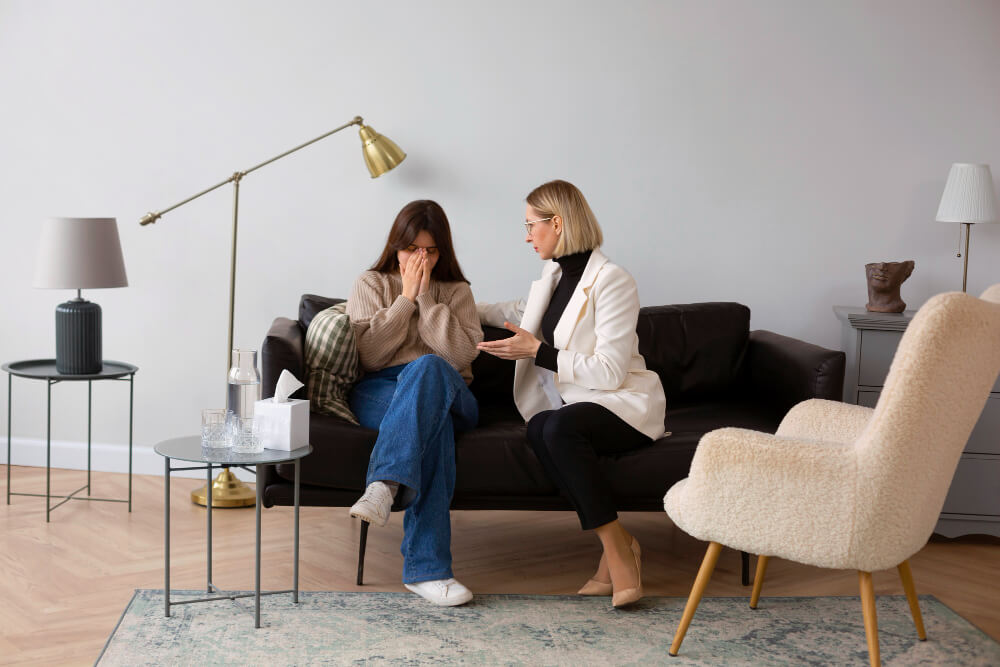
Anxiety affects people differently, and symptoms can range from mild to severe. Being aware of these signs can help you recognise when anxiety counselling might be beneficial:
Physical Symptoms:
- Rapid heartbeat or palpitations
- Sweating or trembling
- Shortness of breath or feeling like you can't catch your breath
- Muscle tension, headaches, or stomach problems
- Fatigue or feeling restless
- Sleep disturbances or insomnia
Emotional and Mental Symptoms:
- Persistent worry or fear
- Feeling overwhelmed or out of control
- Irritability or mood swings
- Difficulty concentrating or making decisions
- Racing thoughts or mind going blank
- Feeling detached or disconnected from yourself or your surroundings
Behavioural Symptoms:
- Avoiding certain situations, places, or people
- Procrastination or difficulty completing tasks
- Changes in eating habits
- Increased use of alcohol, drugs, or other substances
- Social withdrawal or isolation
- Compulsive behaviours or repetitive actions
If you're experiencing several of these symptoms regularly, and if they're interfering with your daily life, relationships, or work, it's worth exploring your options for support.
When Should You Seek Help to Manage Anxiety?
Deciding when to seek support services for stress and anxiety can feel overwhelming, but there are clear indicators that professional help would be beneficial.
It’s important to keep in mind that you don't need to wait until anxiety becomes severe or unmanageable before seeking professional help. After all, early intervention often leads to better outcomes.
For example, this might look like anxiety that persists for several weeks rather than days, symptoms that start interfering with your work, relationships or daily routine, or finding yourself avoiding certain people, places or situations because of it. If any of this sounds familiar, our guide on when to seek counselling for stress and anxiety walks through the full range of signs to watch for and what support can look like.
How Sureway Health & Wellbeing Can Help You
At Sureway Health & Wellbeing, we understand that life is full of ups and downs, and sometimes it is difficult to determine the next steps on your own. That's when counselling and psychological services in Melbourne can make all the difference.
Our accredited mental health professionals offer comprehensive psychological assessment and therapy to clients of all ages, including children.
Through confidential, one-on-one sessions, we can help you with a variety of challenges, including everyday stressors such as managing anxiety at work, workplace issues, relationship difficulties, and broader mental health conditions.
Our professional psychology and counselling service in Melbourne includes:
- Personalised mental health counselling that meets your unique needs
- Evidence-based therapy using proven approaches for anxiety and stress
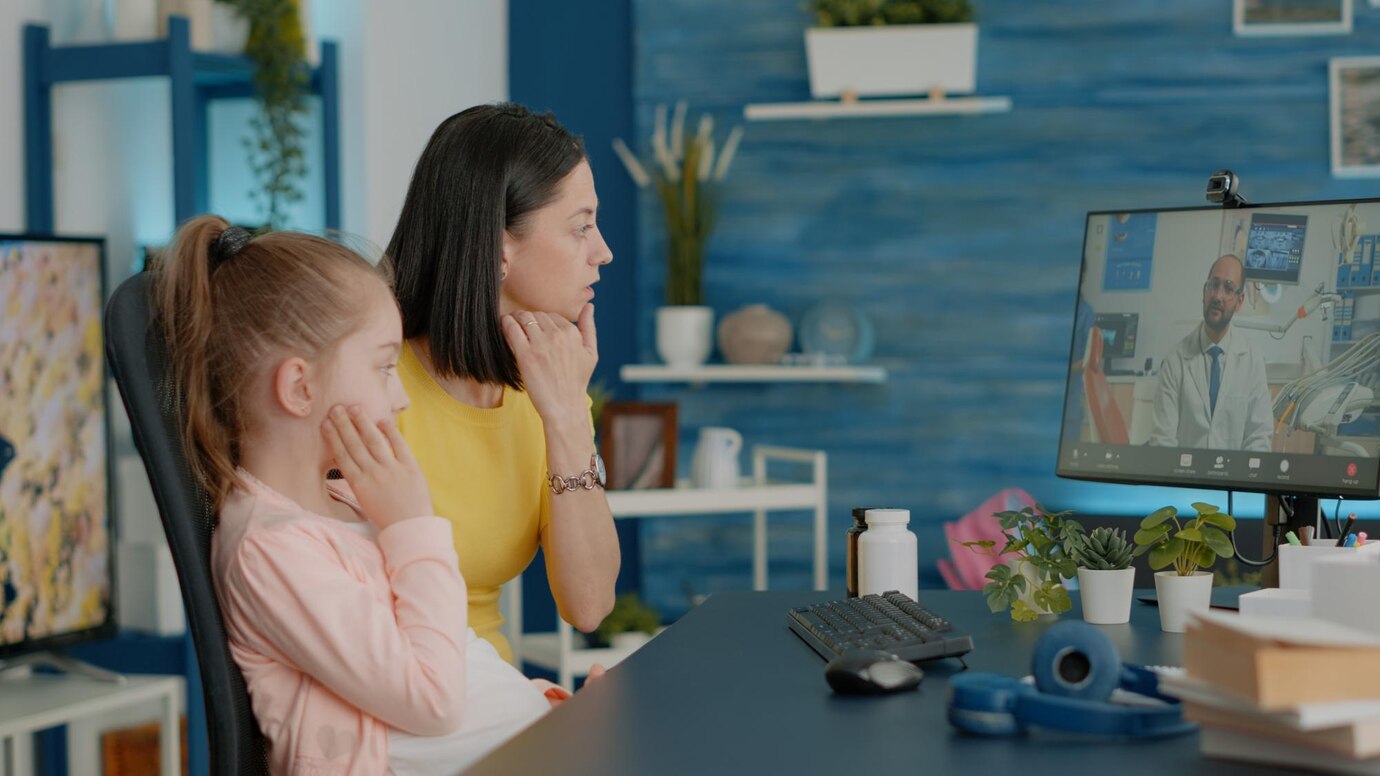
- Telehealth sessions available from your own home
- Collaborative approach to develop effective strategies for everyday life
If you're ready to take control of your stress and anxiety, we're here to support you every step of the way. Contact Sureway Health & Wellbeing today to schedule your initial consultation.
We provide tailored and professional psychology and counselling across Melbourne's northern and northeastern suburbs, including Bundoora, Greensborough, Mill Park, Watsonia, Montmorency, Yallambie, Plenty, Morang, Thomastown, Reservoir, Diamond Creek, and Eltham.
Sureway Health and Wellbeing psychology team provide services across the following locations: Bundoora, Mill Park, Thomastown, Reservoir, Greensborough, Watsonia, Eltham, Diamond Creek, Northeast Melbourne and via telehealth Australia wide.